
Intermittent Fasting
What is Intermittent Fasting
Intermittent fasting is an eating pattern that involves alternating periods of eating and fasting. It does not specify which foods you should eat, but rather when you should eat them. There are various methods of intermittent fasting, each with its own schedule and rules. The most common methods include the 16:8 method, the 5:2 diet, and alternate-day fasting. The 16:8 method involves fasting for 16 hours and eating within an 8-hour window, while the 5:2 diet involves eating normally for 5 days and restricting calorie intake to 500-600 on the other 2 days of the week.
Benefits of Intermittent Fasting
Intermittent fasting has been shown to have numerous benefits for overall health and wellbeing. Some of the benefits include weight loss, improved insulin sensitivity, reduced inflammation, and increased human growth hormone production. Intermittent fasting has also been shown to improve mental clarity and reduce the risk of chronic diseases such as heart disease, type 2 diabetes, and certain types of cancer. Additionally, intermittent fasting can help to increase autophagy, a natural process in which the body breaks down and recycles damaged cells and proteins.
Types of Intermittent Fasting
There are several types of intermittent fasting, each with its own schedule and rules. The most common types include:
16:8 Method
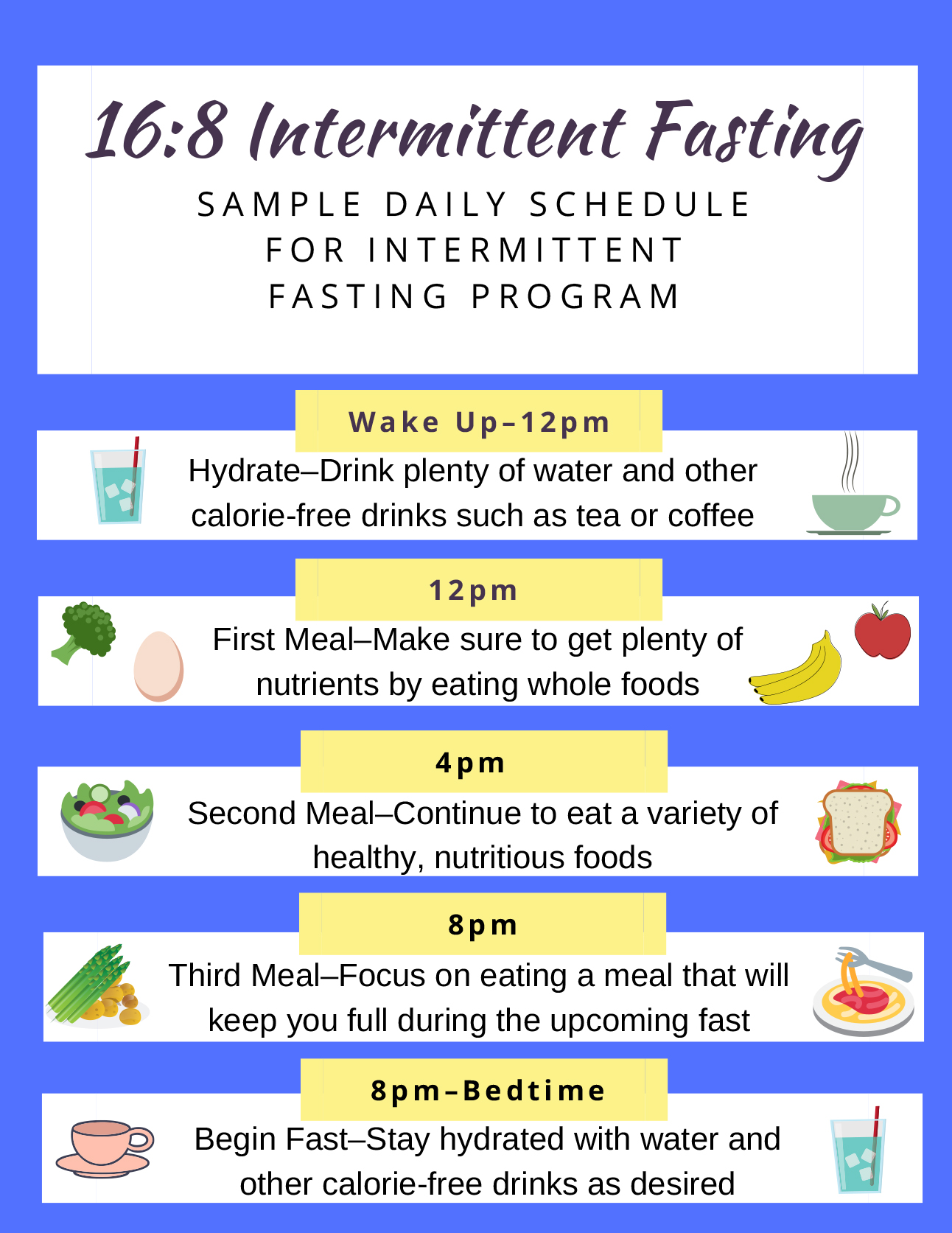
The 16:8 method involves fasting for 16 hours and eating within an 8-hour window. For example, you may choose to skip breakfast and only eat between noon and 8 pm. This method is great for beginners and can be easily incorporated into a busy schedule.
5:2 Diet
The 5:2 diet involves eating normally for 5 days and restricting calorie intake to 500-600 on the other 2 days of the week. This method can be more challenging, but can also be effective for weight loss and improving insulin sensitivity.
Alternate-Day Fasting
Alternate-day fasting involves alternating between days of normal eating and days of complete or modified fasting. This method can be more challenging, but can also be effective for weight loss and improving overall health.
How to Incorporate Intermittent Fasting into Your Lifestyle
Incorporating intermittent fasting into your lifestyle can be challenging, but there are several tips to help you get started. First, it's essential to choose a method that works for you and your schedule. If you're new to intermittent fasting, it's best to start with a more lenient method, such as the 16:8 method, and gradually move to more restrictive methods as you become more comfortable with the practice. It's also essential to listen to your body and adjust your fasting schedule as needed. If you're feeling weak, dizzy, or experiencing other negative side effects, it may be necessary to adjust your fasting schedule or consult with a healthcare professional.
Common Mistakes to Avoid
When incorporating intermittent fasting into your lifestyle, there are several common mistakes to avoid. One of the most common mistakes is not staying hydrated during fasting periods. It's essential to drink plenty of water during fasting periods to help reduce hunger and support overall health. Another common mistake is not eating enough protein during eating windows. Protein is essential for maintaining muscle mass and supporting overall health, so it's essential to include plenty of protein-rich foods in your diet. Additionally, taking care of your overall well-being, including skin care bellevue, is crucial for a holistic approach to health, and it's essential to be consistent with your fasting schedule and not to get discouraged if you encounter setbacks. Intermittent fasting is a journey, and it may take some time to adjust to the new eating pattern.
Conclusion
Intermittent fasting is a powerful tool for improving overall health and wellbeing. With its numerous benefits, including weight loss, improved insulin sensitivity, and increased human growth hormone production, it's no wonder why intermittent fasting has become so popular in recent years. Whether you're looking to lose weight, improve your metabolic health, or simply feel more energized and focused, intermittent fasting can be a great addition to your lifestyle. By choosing a method that works for you, staying hydrated, eating enough protein, and being consistent, you can experience the many benefits of intermittent fasting for yourself.
Additional Tips
In addition to the tips mentioned earlier, there are several other tips to help you succeed with intermittent fasting. One of the most important tips is to listen to your body and adjust your fasting schedule as needed. If you're feeling weak, dizzy, or experiencing other negative side effects, it may be necessary to adjust your fasting schedule or consult with a healthcare professional. Another tip is to plan your meals in advance and make sure you're getting enough nutrients during your eating windows. Finally, it's essential to be patient and not to get discouraged if you encounter setbacks. Intermittent fasting is a journey, and it may take some time to adjust to the new eating pattern.
FAQs
What is intermittent fasting?
Intermittent fasting is an eating pattern that involves alternating periods of eating and fasting in order to promote weight loss, improve metabolic health, and extend lifespan.
How do I get started with intermittent fasting?
To get started with intermittent fasting, choose a method that works for you and your schedule, and start with a more lenient method, such as the 16:8 method.
What are the benefits of intermittent fasting?
The benefits of intermittent fasting include weight loss, improved insulin sensitivity, reduced inflammation, and increased human growth hormone production.
Can I exercise while fasting?
Yes, you can exercise while fasting, but it's essential to listen to your body and adjust your exercise routine as needed.
How long does it take to see results from intermittent fasting?
The amount of time it takes to see results from intermittent fasting can vary depending on individual factors, such as starting weight, diet, and exercise routine, but most people can expect to see results within 2-4 weeks.
Is intermittent fasting safe for everyone?
No, intermittent fasting is not safe for everyone, particularly those with certain medical conditions, such as diabetes, low blood pressure, or a history of eating disorders. It's essential to consult with a healthcare professional before starting any new diet or exercise routine.
bellaboxx aesthetics
5401 6th Ave #300, Tacoma, WA 98406
(253) 778-6933